

With a record 10,000 festival-goers flocking to Lough Key Forest Park, major Irish acts, local talent and visitors from outside the county, this year’s festival delivered a major cultural and economic lift for Roscommon
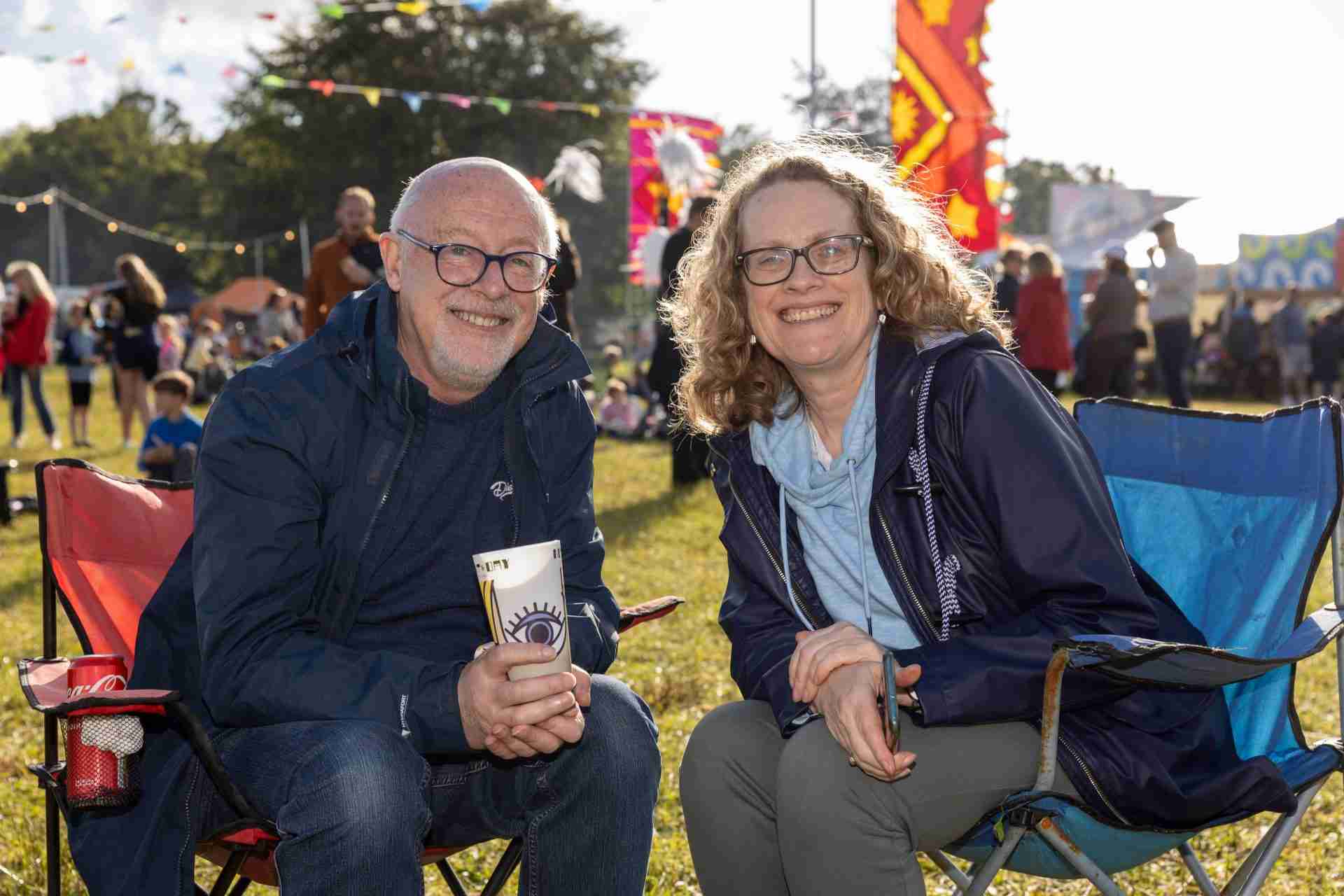
The success of the Night and Day Festival over the June bank holiday weekend has confirmed its status as a major fixture in the county’s cultural calendar, with more than 10,000 people having attended Lough Key Forest Park across three days of music, culture, family activity and lakeside atmosphere.
This year’s festival was the biggest Night and Day to date, with organiser Craig Hughes confirming that attendance was up by more than 35 per cent on last year’s figures. More than 70 per cent of those attending travelled from outside Roscommon, making the event a significant driver of inward tourism into the county.
For Boyle, Lough Key and the wider Roscommon area, the impact was felt well beyond the festival gates. Visitors stayed locally, used local accommodation, bought food and drink, supported suppliers and traders, and experienced one of the county’s most scenic tourism destinations at its liveliest.
“We were delighted with how Night and Day went this year, having welcomed more than 10,000 people to Lough Key Forest Park across all three days of the festival,” said Craig.
Roscommon County Council Arts Officer Rhona McGrath also highlighted the festival’s growing cultural role in the county.
“Night and Day Festival has become a vibrant and much-anticipated addition to County Roscommon’s music calendar. It continues to grow and diversify each year, featuring established artists alongside a strong platform for emerging talent.
“The festival has found a fitting home in the beautiful setting of Lough Key Forest and Activity Park near Boyle, where visitors and locals alike can enjoy the music, the unique atmosphere and the ideal lakeside amenities.
“Roscommon County Council’s Creative Ireland Programme is pleased to support a range of engaging creative activities at the family area over the weekend,” she said.
Tourism Officer Lisa Joy said: “Attracting more than 10,000 visitors over three days, this year’s Night and Day’s Festival success highlights Roscommon’s growing reputation as a destination for music, culture, heritage, wellness and outdoor experiences. By drawing national attention and welcoming new audiences into our county, Night and Day strengthens both Lough Key Forest & Activity Park and County Roscommon’s profile, supports local businesses, and reinforces Roscommon’s place firmly on Ireland’s festival and tourism map.”
Feighan: Festival has ‘broken a barrier’
The setting itself was central to the success of the weekend. Fine Gael TD and Minister of State Frank Feighan, who was instrumental in the development of Lough Key Forest Park through his role in chairing and spearheading the Lough Key Forest Park Action Group in the mid-2000s, said the festival showed how far the park had come.
He paid tribute to the promoters for choosing Lough Key and for working so well with the various stakeholders involved.
“You can see now that Night and Day festival has broken a barrier,” he said.
Minister Feighan said many of the people he met over the weekend were “pleasantly surprised” by the surroundings, the scenery and the unique setting.
“The fact that you can come by boat to a festival, Lough Key Forest Park, what it had to offer from camping and caravanning and many other aspects of it – it certainly has brought a new focus from people who probably had never been to Lough Key Forest Park or had been generations ago and just saw how it had progressed,” he said.
Reflecting on the development of the park, Minister Feighan said bringing Coillte and Roscommon County Council together had been key to unlocking investment at Lough Key.
“It was my idea actually to bring Coillte together with the council because the council couldn’t draw down funding for Lough Key Forest Park,” he said.
Feighan credited Greg O’Donnell of Roscommon County Council with showing initiative at the time, saying the local authority’s investment allowed significant grant funding to be drawn down and helped transform the park.
“This was collaboration – public-private collaboration at its best,” he said.
For the festival itself, the cultural impact is becoming as important as the economic one. Craig Hughes said Night and Day has become the largest weekend camping music festival in the west of Ireland.
“Prior to Night and Day, people from Roscommon had to leave the county in order to attend a high-calibre music festival. Not anymore,” he said.
“We showcase the beauty of Lough Key Forest Park to a new audience who learn about the culture of the area – with our lakeside stage renamed the Úna Bhán stage, intertwining us with the local heritage.
“We showcase both local and emerging artists, including those from Music Generation Roscommon, who get to perform at the festival each year.”
View of the artists
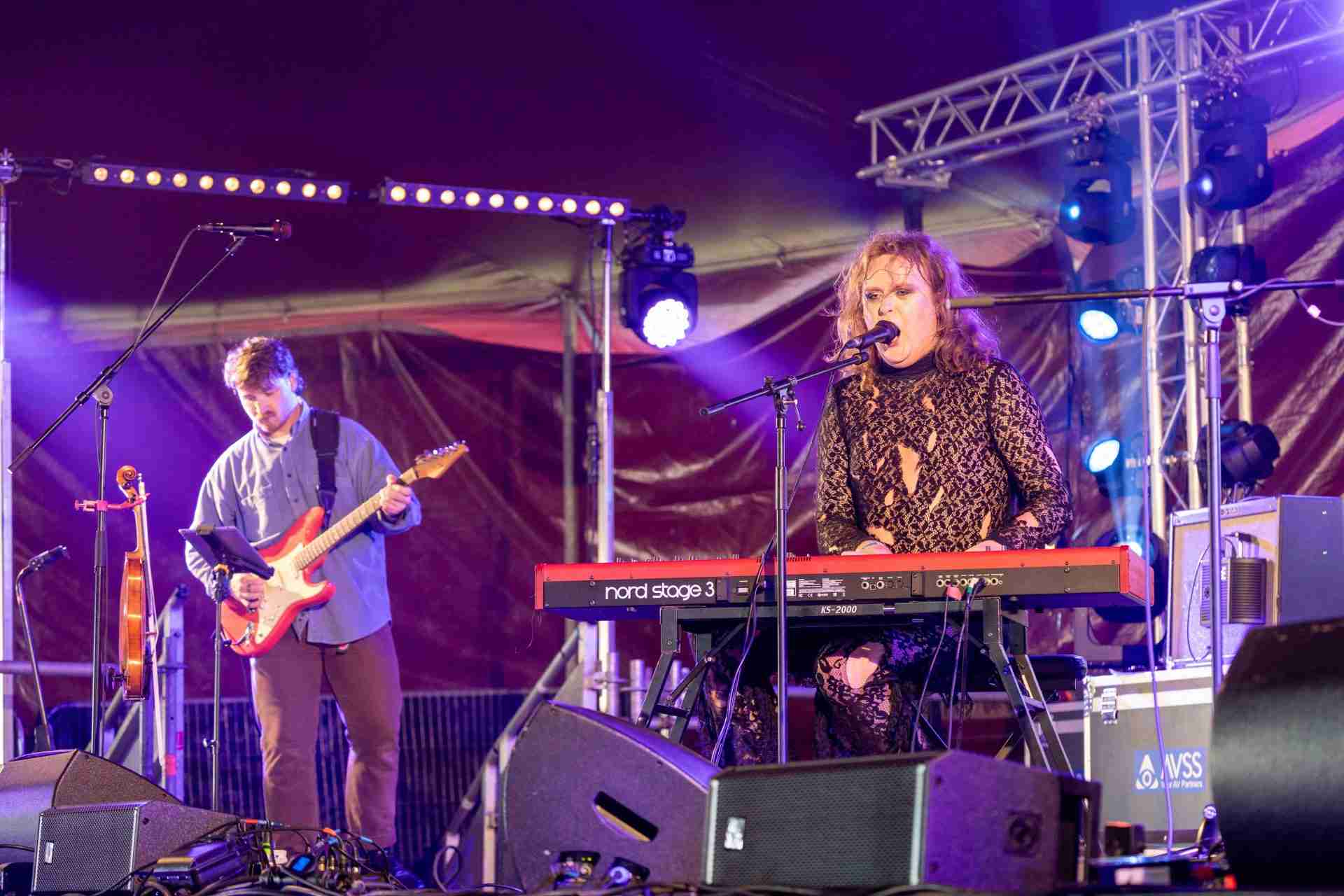
That balance between major names and local opportunity was reflected across the course of the festival. Roscommon artist Arlene Feeley, from Ballintubber, returned to perform at Night and Day this year and described the experience as having been “absolutely brilliant”.
Speaking to the Roscommon People, Arlene said: “It’s such a lovely festival to perform at. It’s such a homely feeling and there’s absolutely wonderful artists, big artists, so it’s a great feeling to be able to perform with them as well.”
Having performed at Electric Picnic and at a Three City Stages showcase in the 3Arena, Arlene said Night and Day gave independent artists a valuable opportunity to perform original music in their own county.
“I love how Night and Day just continuously each year supports independent artists, whether it’s wellness, whether it’s acoustic acts, whether it’s independent artists like myself or major artists,” she said.
She said Roscommon and the west are often associated with country music, but that Night and Day also gives a stage to artists working in other genres.
“For someone like myself who produces and writes pop, indie-pop kind of music, trying to get that out there, it’s different. It’s something different,” she said.
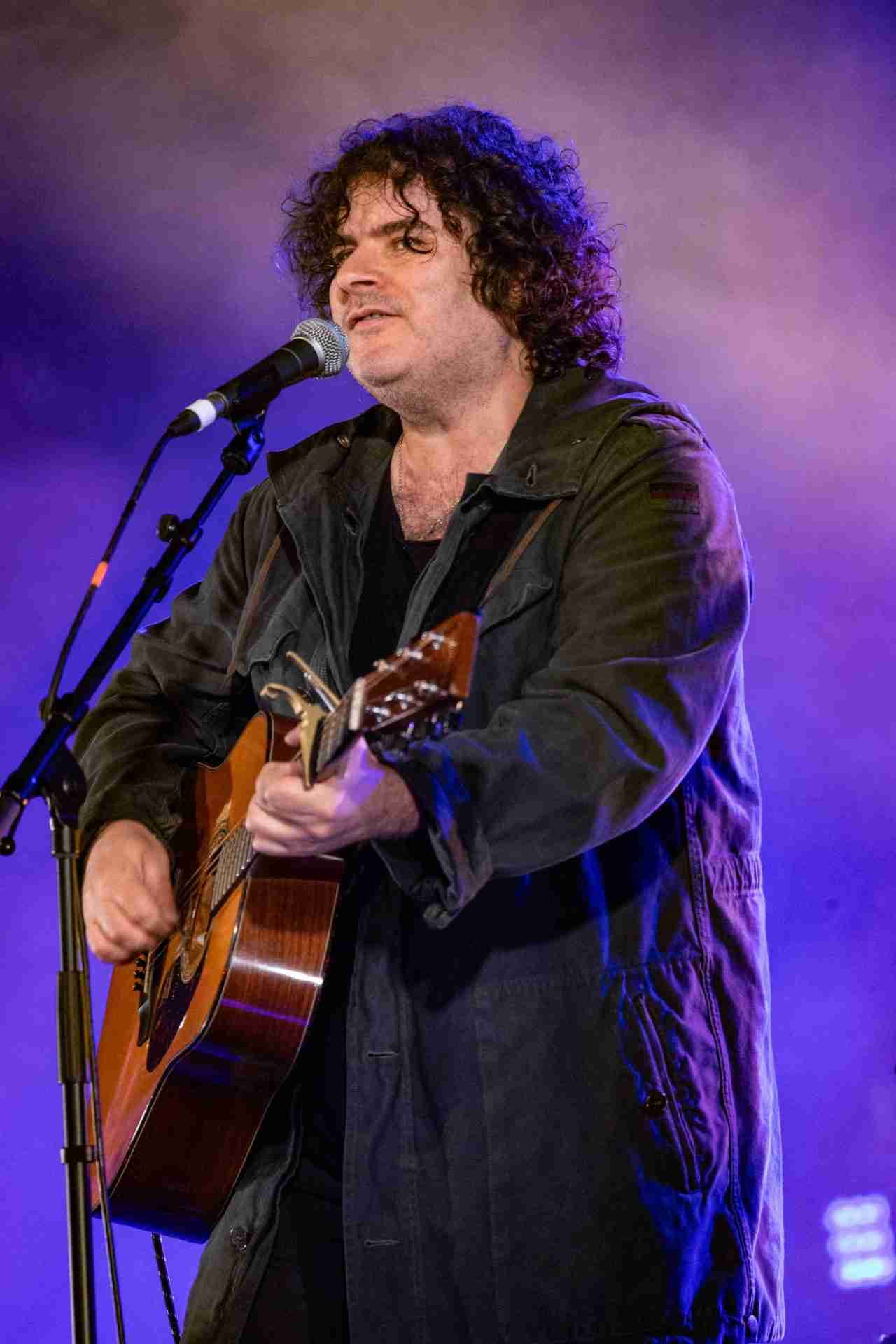
County Clare electronic artist Daithí also praised the uniqueness of the festival setting. Having returned to Night and Day several times, including with HousePlants alongside Paul Noonan, he said the festival offered something distinctive in the middle of the country.
“It’s just a great atmosphere,” he said. “It’s great to have something in the middle of the country that’s new and different.”
Daithí was particularly struck by the Moylurg Tower stage and its visual presence within the forest park.
“It’s amazing. It’s one of a kind. There’s literally nothing else like it in the country,” he said.
He recalled sharing footage of the tower stage online and people asking where in Europe it was, describing the stage and projections as having a “world class” look. “It just looks incredible, one of a kind,” he enthused.
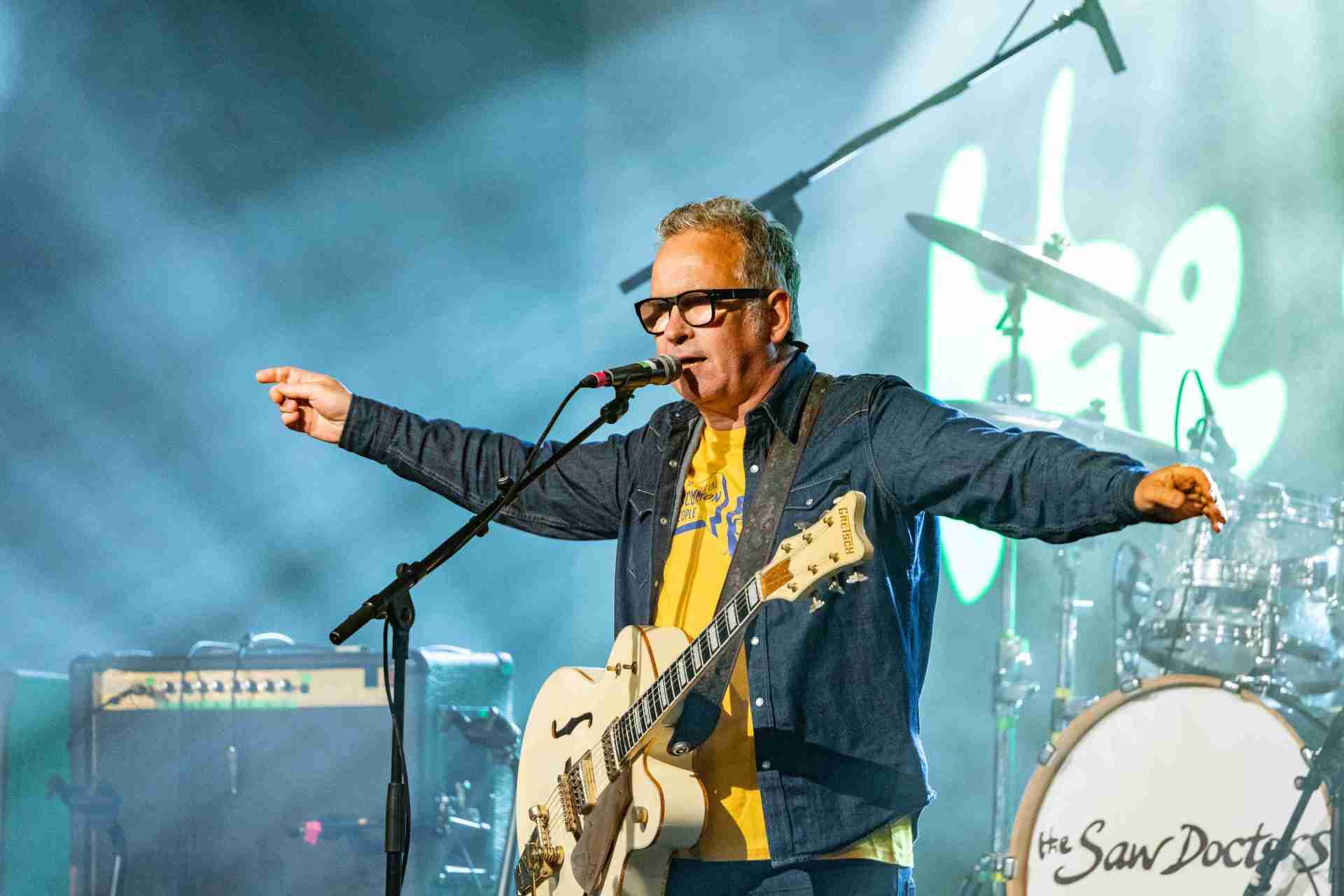
For The Saw Doctors, who headlined on the Saturday night, performing in Connacht and in Roscommon brought its own connections.
Band members Leo Moran and Pearse Doherty spoke warmly of playing in Lough Key, describing it as a beautiful place and saying it was “lovely to be doing a festival in Connacht”.
Their Roscommon links also came to the fore. Ahead of their set, the band said they were due to open with Broke My Heart, a song Leo Moran said was based on a football match in Dr Hyde Park from his schooldays in Roscommon CBS in 1981.
They also recalled Fintan Donnelly, a Roscommon man who appeared on the cover of their first album and whose son John was drummer with the band.
“We’ve more connections than you think,” they said.
Asked what they hoped audiences would take from the night, they said they hoped people would “lose all their inhibitions”, express themselves openly and enjoy the music and songs, adding that communal singing is “great for the soul”.
“It’s a brilliant thing and for people to sing along at a gig”, said Leo, “that’s where it’s at really. I think it brings you somewhere you can’t get to in everyday life.”
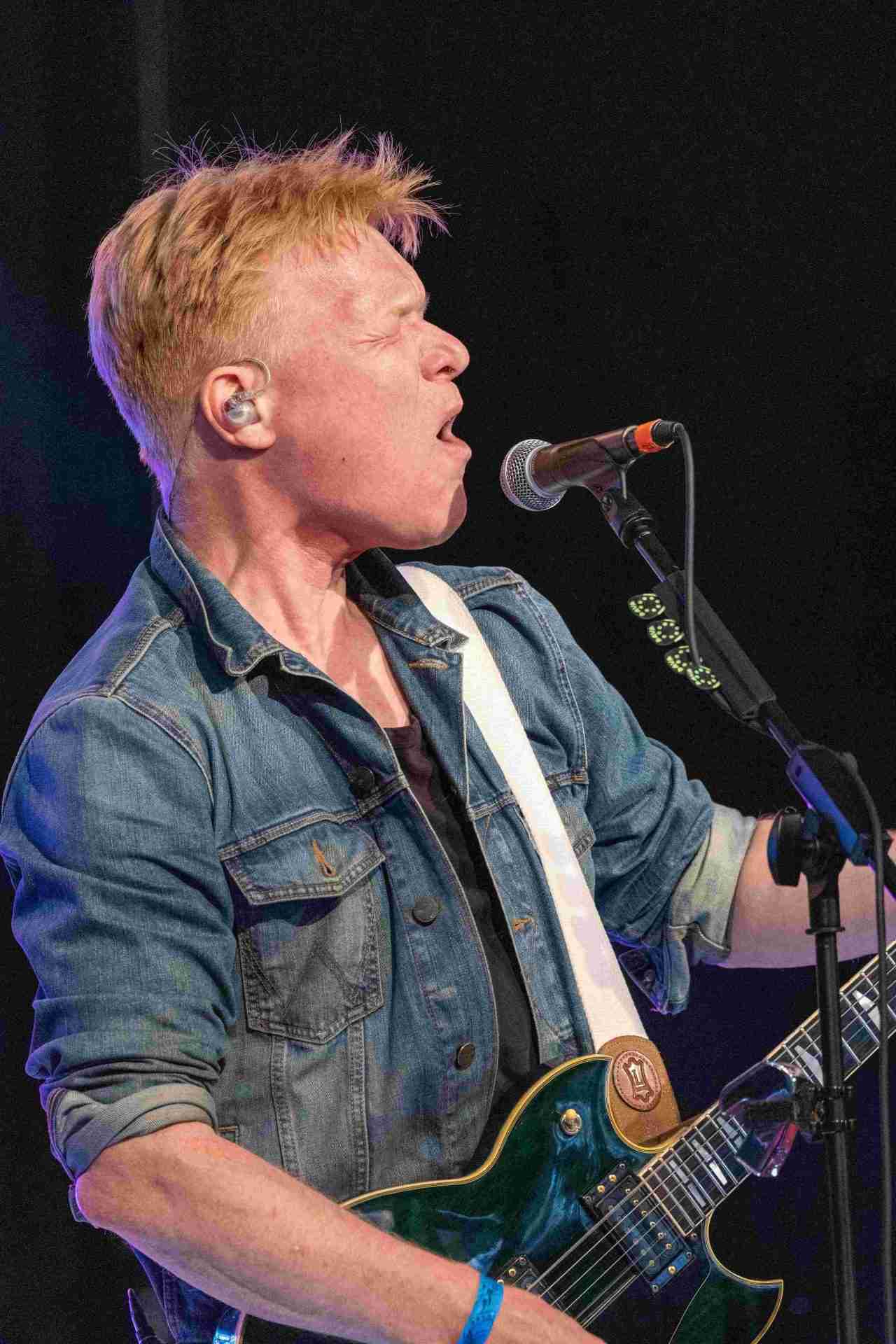
That idea of music as something shared across generations was echoed by Fiachna Ó Braonáin of Hothouse Flowers, who described Night and Day as “such a great festival” in “a great location”.
“Just look around ourselves here – this beautiful lake, the boats, and there’s lots for kids to do and lots for grown-ups to do and some lovely food and lots of music to see,” he said.
He said music remains vital, especially for young people growing up in an age of screens and social media.
“If you get a kid in front of a musical instrument and get them to learn music, I think it’s really good for you. It’s good for the brain, it’s good for the mind, and it’s good for everything,” he said.
Future plans
With demand already strong for next year, Craig Hughes said the team will now review this year’s event and identify where the festival can improve and grow.
“Demand for next year is already very strong and we hope to be able to grow the festival further while also making it the best it can possibly be. We’ll conduct our own review in the coming weeks and identify areas we can improve on and areas we can expand on.”
Night and Day Festival is fast emerging as one of the west of Ireland’s leading music calendar events – and is doing so with Roscommon firmly at its heart.
The festival has brought major acts and thousands of visitors to the county, but has also drawn on the cultural and historical significance of its surroundings. The Moylurg Tower, now one of the festival’s most visually striking performance spaces, carries the name of the old kingdom of Moylurg, once ruled by the MacDermotts in north Roscommon.
The festival’s stage names also root the event in Roscommon and Connacht heritage. The Queen Medb stage nods to one of the great figures of Irish mythology, the warrior queen associated with Rathcroghan, the ancient royal site of Connacht. Meanwhile, the lakeside Úna Bhán stage links the festival to the Lough Key legend of Úna Bhán, daughter of a MacDermott chieftain of Moylurg.
Together, these touches give Night and Day a stronger sense of place by increasingly presenting Roscommon’s landscape, mythology and cultural memory as part of the festival experience itself.